Infrastructure as Code Migration
- 40% lower MTTR
- Full AWS coverage in Terraform
- Auditable change trail
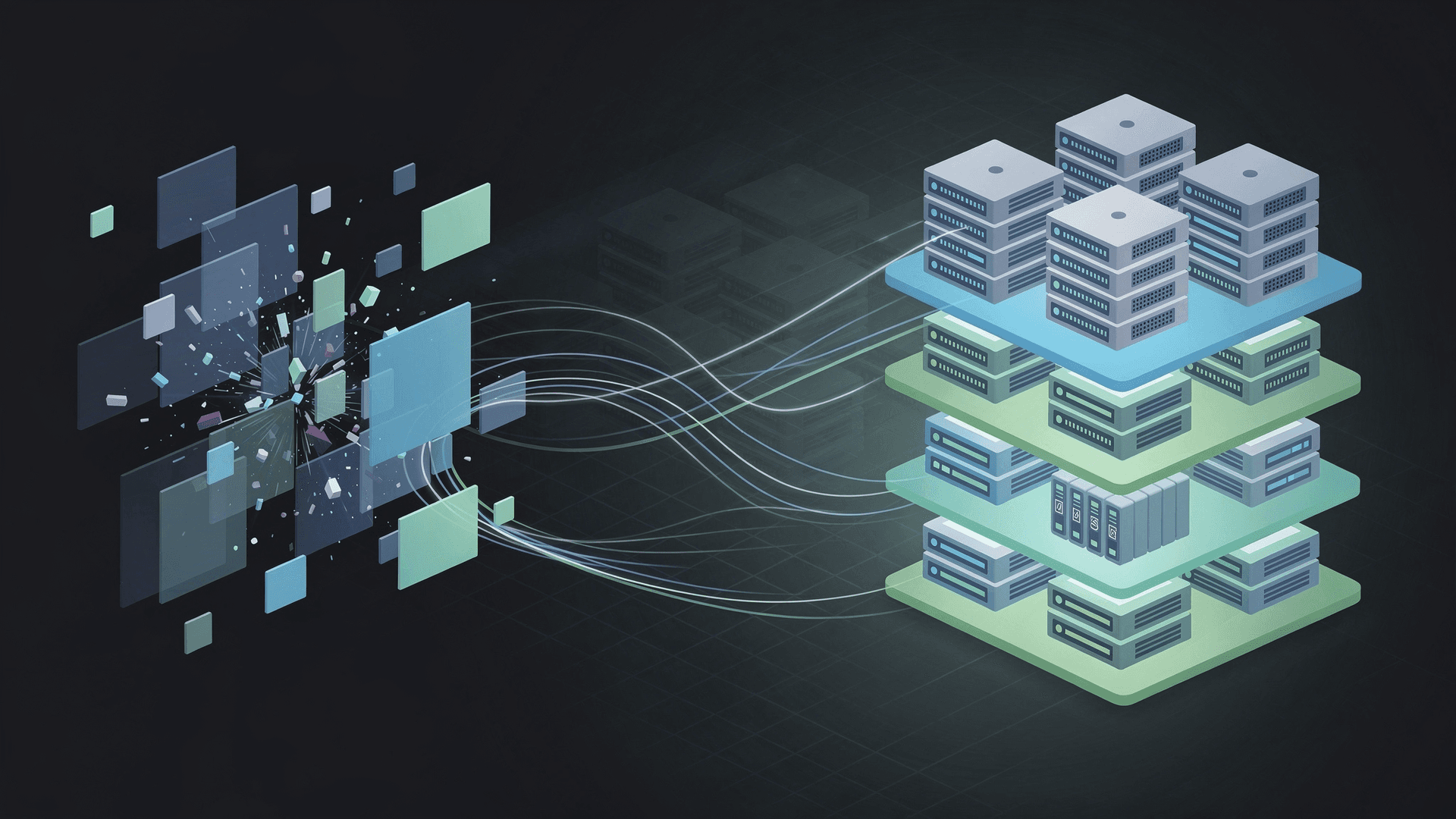
Problem: Manual infrastructure changes led to drift, inconsistency, and slow recovery.
Solution: Led comprehensive ClickOps→Terraform migration for all AWS assets with full audit trail.
Impact: MTTR down 40%, infrastructure versioned, repeatability guaranteed.
Overview
Replaced ad-hoc console changes with Terraform-managed infrastructure and reviewable workflows so recovery and scaling follow predictable patterns.
Before / after
Change safety
Before: Drift and tribal knowledge
After: Versioned infra and reviewed applies
Decisions
Key trade-offs and design calls that shaped the final delivery.
Terraform over CloudFormation
Context: ClickOps was error-prone and unreviewable—console changes had no audit trail
Decision: Terraform for version-controlled, reviewable infrastructure—all changes go through PR review
Gradual migration over big-bang
Context: Critical services couldn't have downtime during migration
Decision: Import existing resources incrementally using terraform import rather than recreating infrastructure
Terraform Cloud over local state
Context: Team needed collaboration and state locking for concurrent changes
Decision: Remote state with CI/CD integration—prevents state conflicts and enables team-wide visibility
Architecture
The primary system boundaries, runtime pieces, and how the project was structured in production.
Terraform Cloud
State Management
Remote state with workspace isolation per environment—state locking prevents concurrent modifications.
CloudFormation to Terraform
Legacy Migration
Imported existing CloudFormation stacks to Terraform using terraform import workflows—gradual, not big-bang.
Pre-apply checks
Validation
terraform plan and custom policy checks required before any apply reaches production.
Pipeline
How changes moved from development through validation and deployment.
Validate
Terraformterraform fmt, validate, and plan on every PR
Plan Review
GitHub PRInfrastructure changes require human approval before production apply
Apply
Terraform CloudAutomated apply after merge with state locking and audit trail
Incidents
Operational failures, rehearsals, or recovery moments that changed how the system was run.
Generic resource names causing import conflicts
P3Resolution: Established naming conventions with environment prefixes and resource types before importing
Lesson: Use descriptive, consistent naming schemes—generic names like 'instance-1' cause confusion and import errors
Terraform import state drift
P2Resolution: Imported existing CloudFormation resources with terraform import and immediately ran terraform plan to reconcile state
Lesson: Import then immediately plan to catch drift between actual infrastructure and desired state